
Everyone loves a showstopper, and walking into a wedding or special event with a stunning display of flowers is something you’ll always remember. As a florist, you live for the “oohs,” “ahh’s,” and “how did you make that?” In designing a floral art installation, you know what it takes to build something beautiful, while hiding the mechanics that make it possible. We’ve compiled a bit of inspiration for your next event installation and some tips that will help even a first-time floral designer!
Inspiration


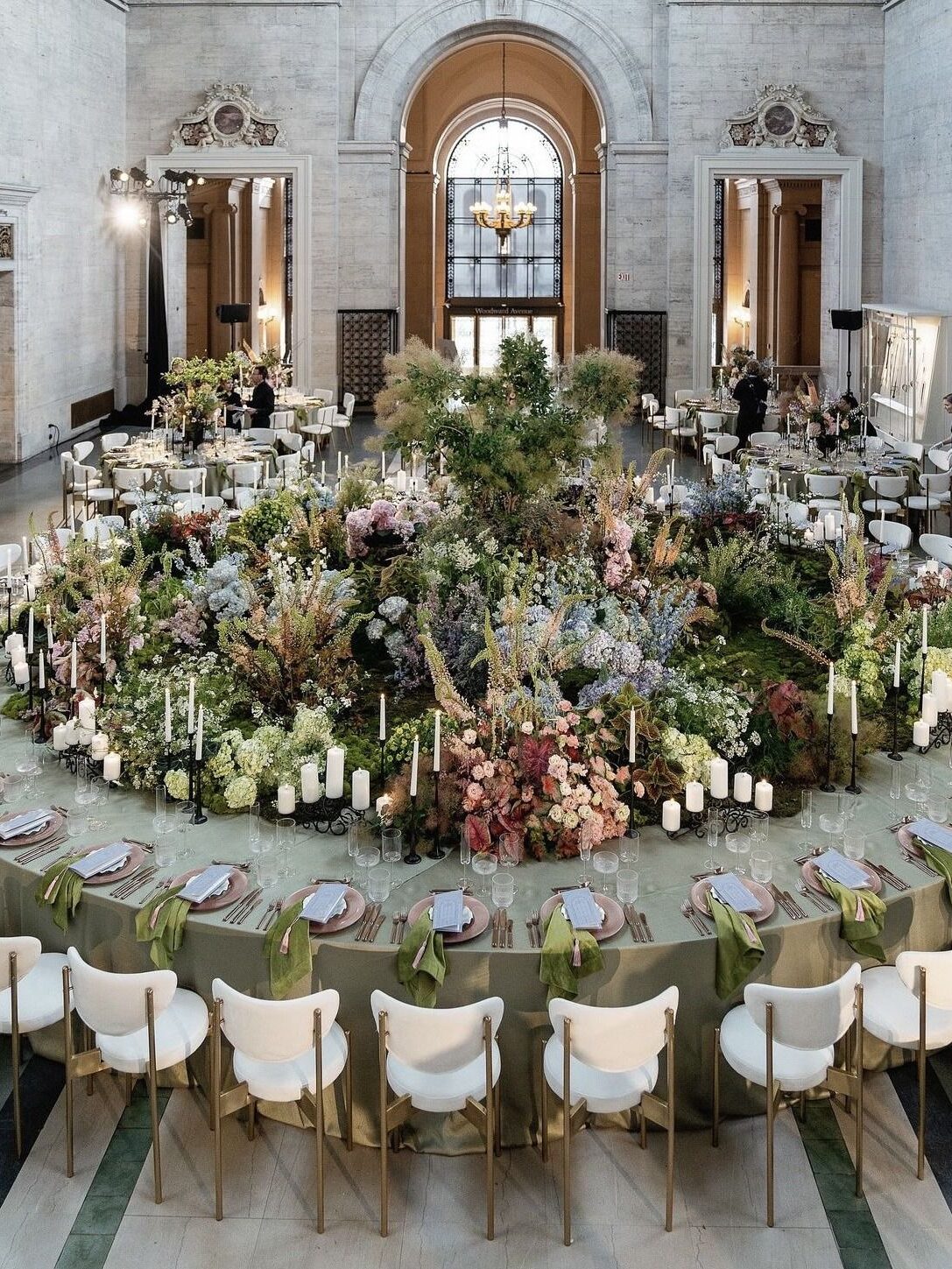
Table Installations
Everyone loves a showstopper, and walking into a wedding or special event with a stunning display of flowers is something you’ll always remember. As a florist, you live for the “oohs,” “ahh’s,” and “how did you make that?” In designing a floral art installation, you know what it takes to build something beautiful, while hiding the mechanics that make it possible. We’ve compiled a bit of inspiration for your next event installation and some tips that will help even a first-time floral designer!

Hanging From the Ceiling
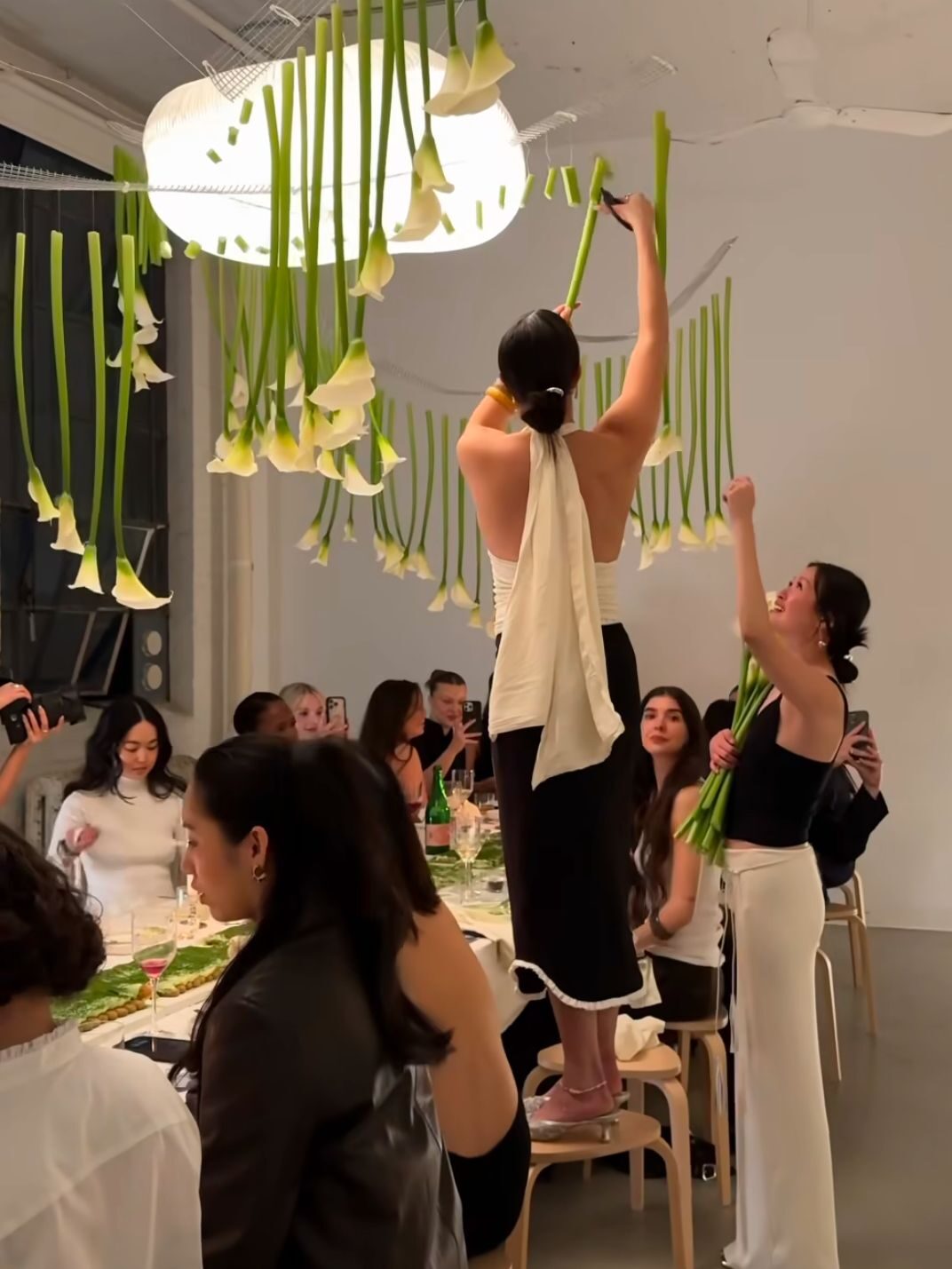
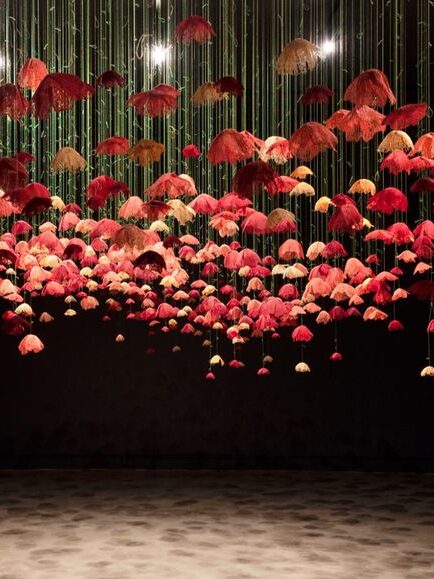
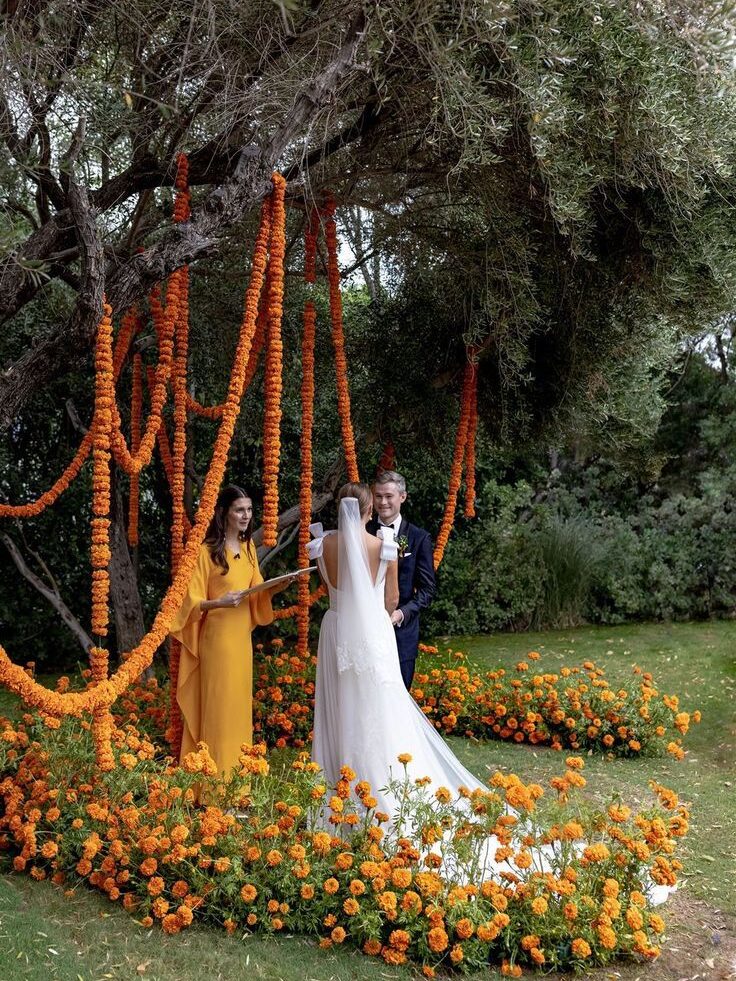
Take design to new heights with a hanging floral installation! Hang flower heads or full stems using string or ribbon to create a backdrop or to bring an unexpected atmosphere to the dinner table. Create a layered look by incorporating multicolored fabric. This is a lively way to arrange flowers because it is unique in its own right, regardless of what blooms you choose to hang.
Stairwells
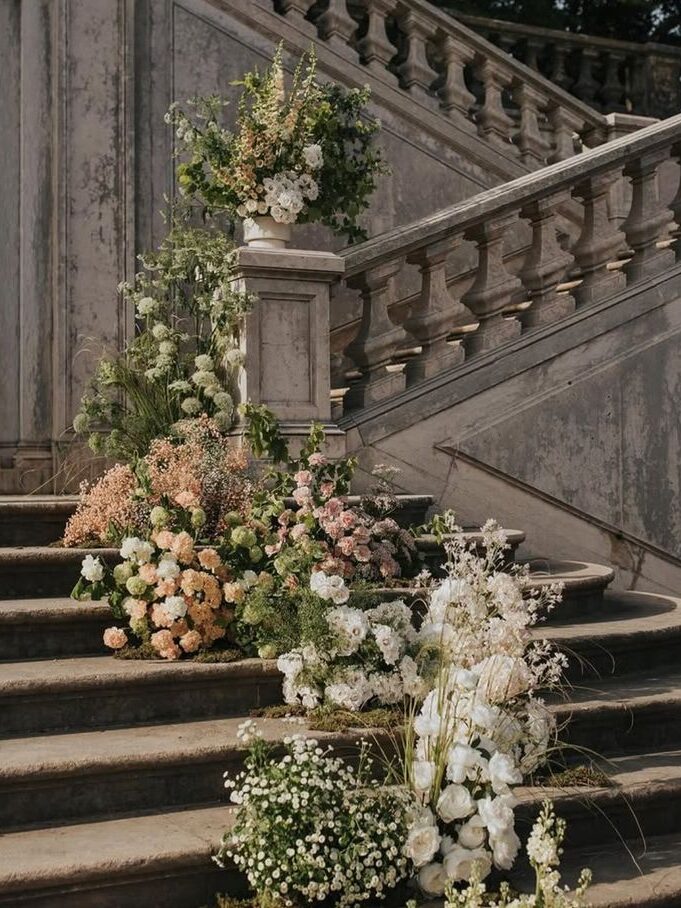
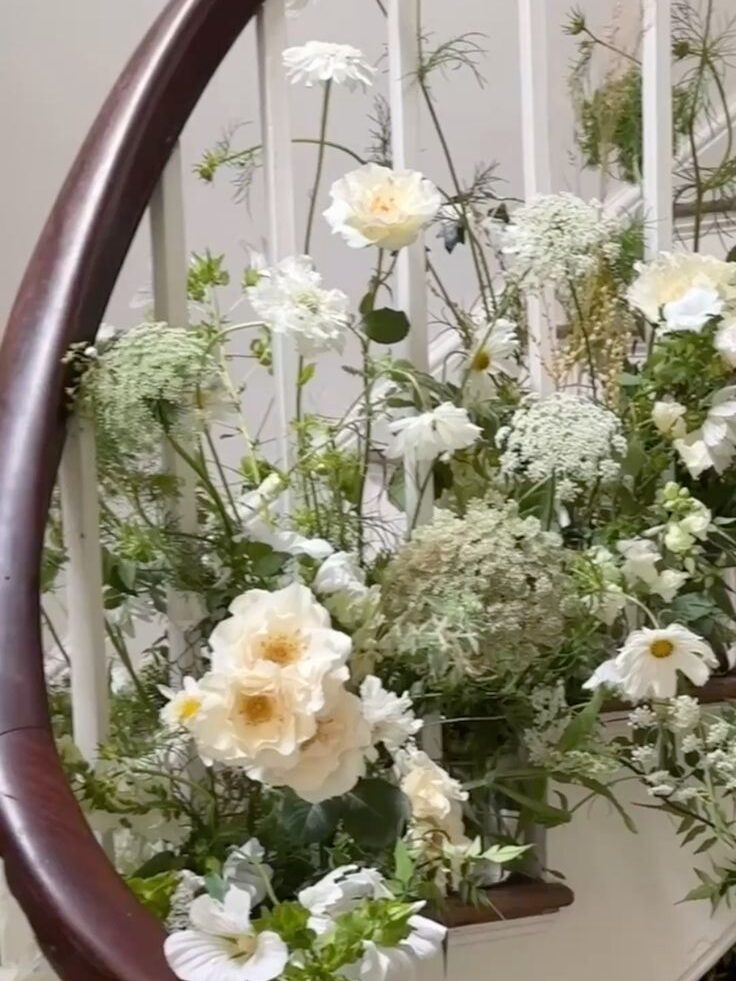
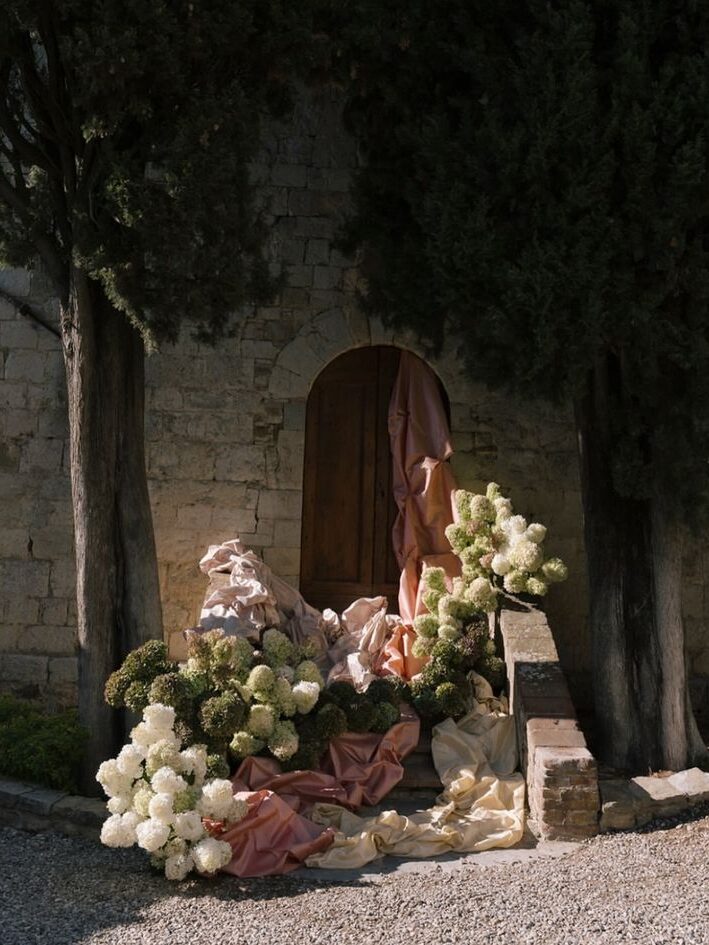
A staircase installation is a lovely touch to any indoor or outdoor space. It can be as simple as a bud vase on each step, or a full display of large vases or vessels. If you prefer to cut access to an upstairs space, block the entrance with flowers! This installation will be a very popular photo opp as well, particularly at a wedding or big event.
Wedding Altar Pieces
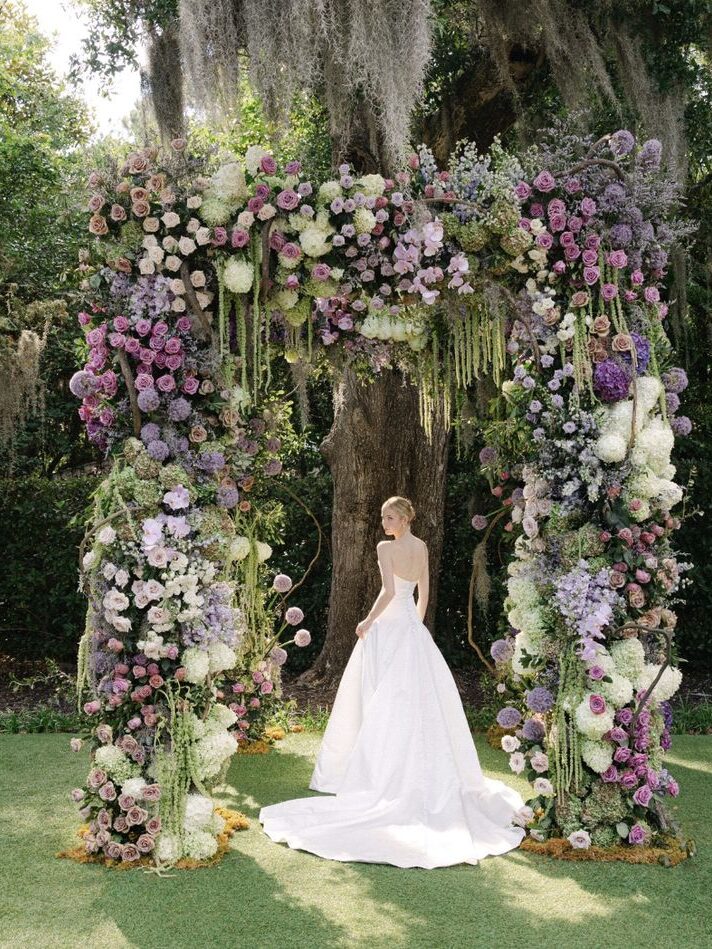
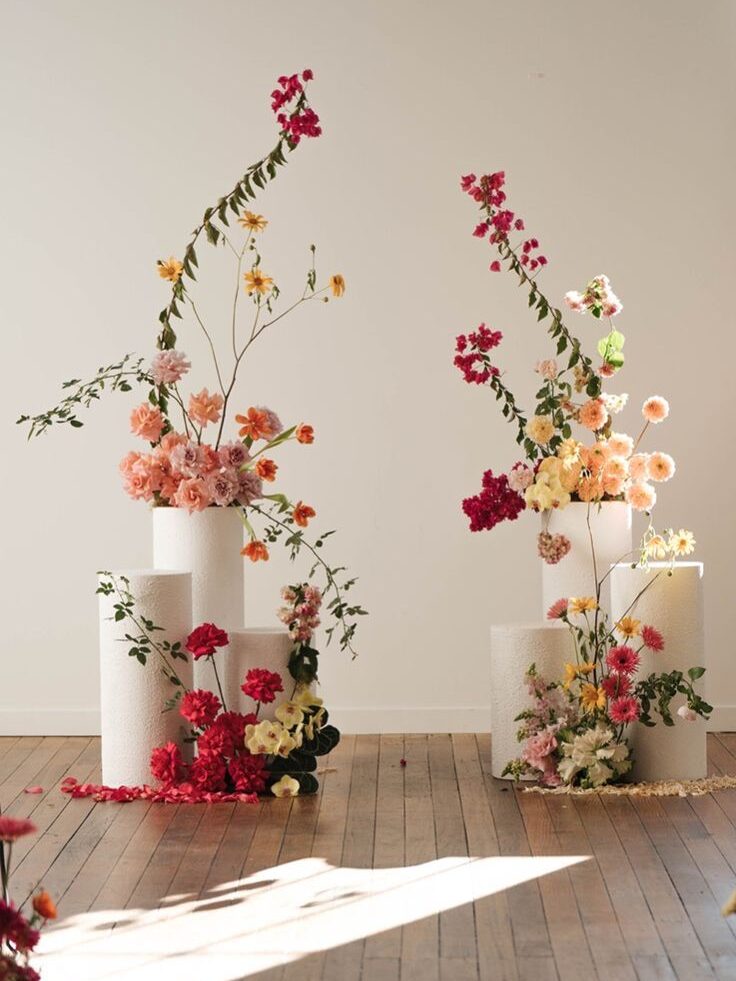
Likely the most popular floral installation, a wedding altar is a classically stunning display of craftsmanship and design. The more traditional altars connect at the top, forming an arch. More modern approaches include two separate pieces with multilayered pedestals, hanging fabric, or strings of flowers. When creating an altar piece, always check with the venue to see if they offer wooden structures you can use.
Doorway
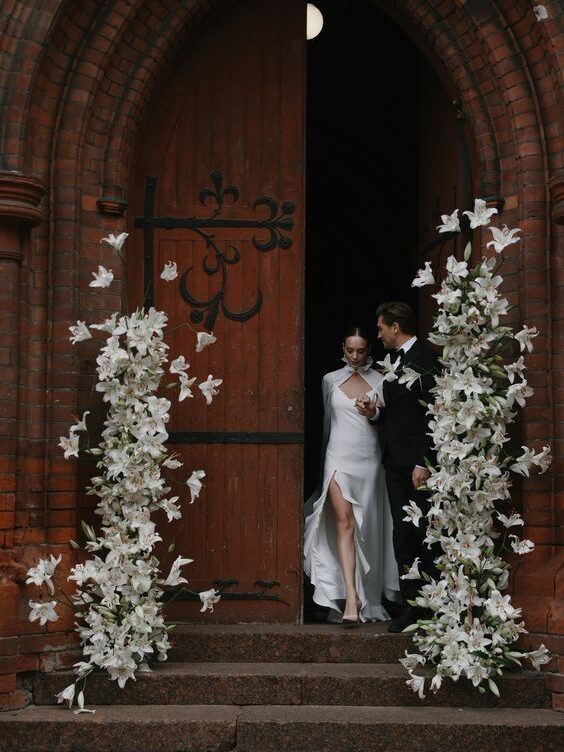
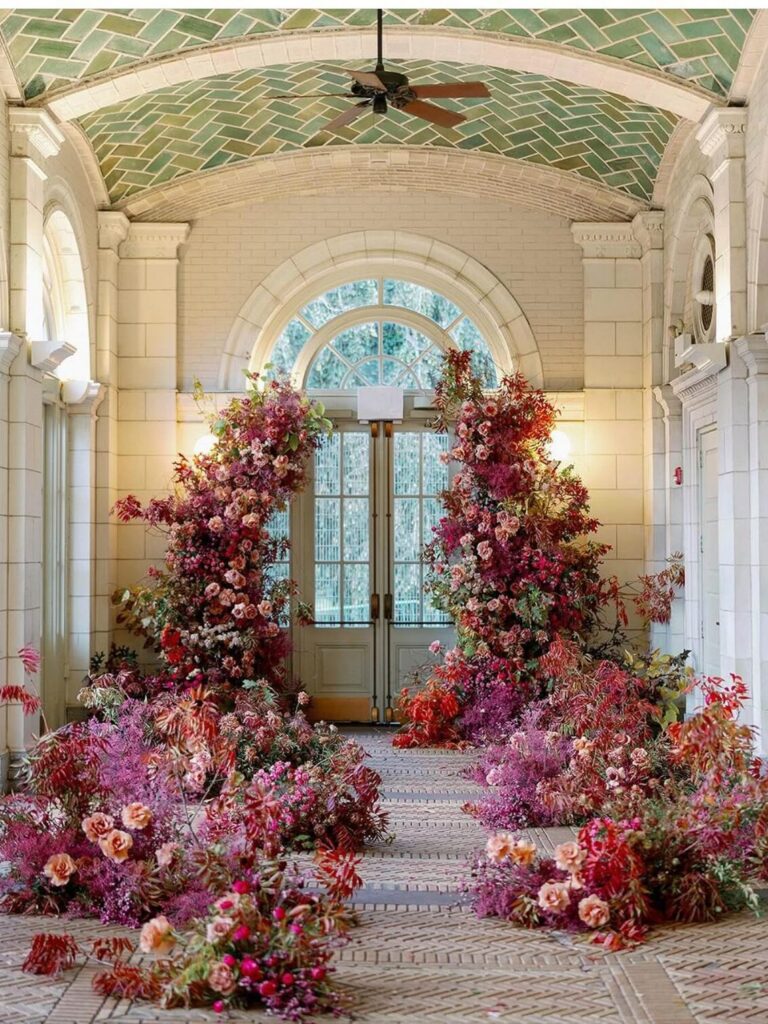
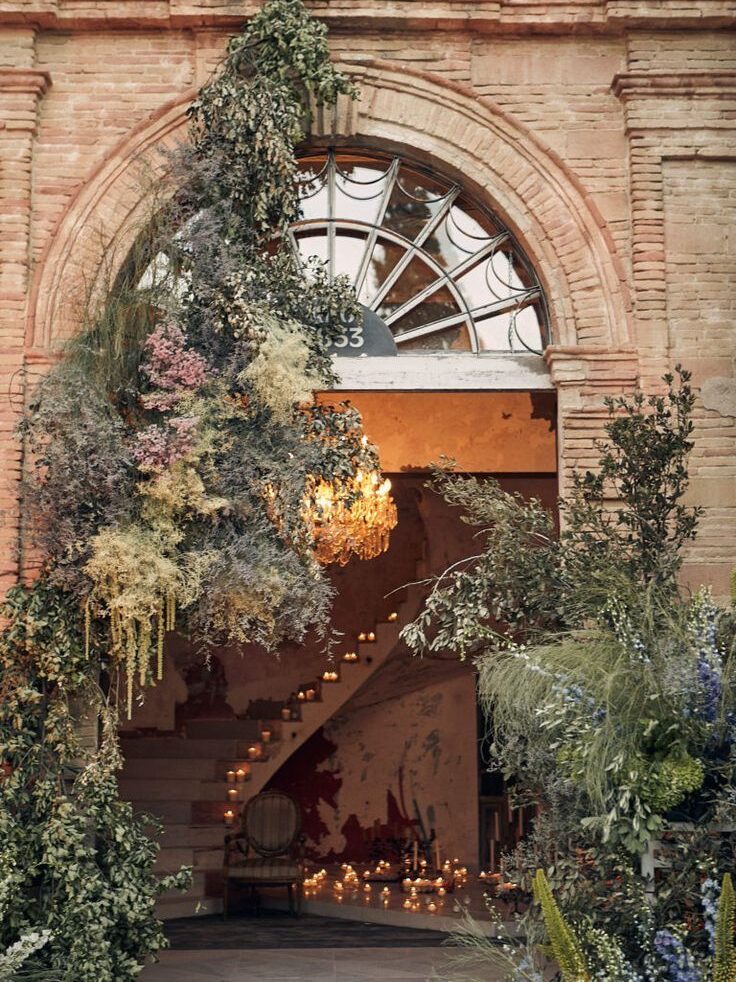
Similar to staircase installations, these floral installations need to allow for plenty of walking space. The proportions for a door arrangement vary based on the size of the area and the doorframe, but a good rule of thumb is to make one primary piece and a smaller supporting piece. This adds contrast and creates interest in a symmetrical space. Whether monochrome or a lively palette, this particular installation is especially eye-catching.
The Mechanics

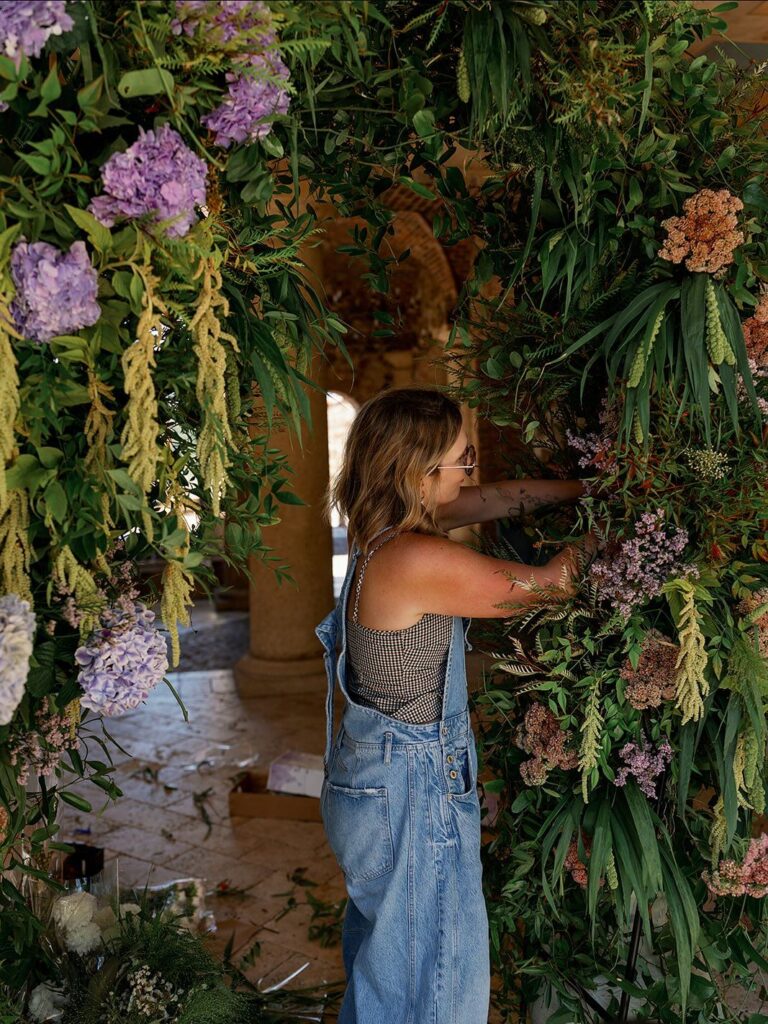

Some of the most important distinctions you need to make before beginning your installations are:
- What shape will your design be?
- Will it be assembled in your design space or on location?
- How will the flowers be attached? What vessel(s) will be in use?
- What scale will your design need to suit, and what extra resources will you need?
If you haven’t built a floral installation before, some excellent practice would be to use leftover flowers to test out different shapes, methods, and combinations. When imagining an installation for a client, a design brief that lays out structure, shape, location, and color scheme can be a helpful tool. This aids in flower selection, as well as pricing.
Shape
Whether your installation is for a door frame or a floral chandelier, you need to first figure out what shape the installation will be and how to build the structure. Create the outline of the shape you are designing with chicken wire, floral wire, or floral frogs. As for the design, include texture and layering to create depth and dimension. Sometimes a simple solution can come in handy as a base, for example, using a hula hoop for a circular floral chandelier. Don’t overthink it, but make sure the shape is cohesive and physically strong enough to hold the weight of the flowers and their necessary water containers.
Designing in Your Shop or On-Location
Before beginning the floral installation, you will need to decide if you can assemble it in your flower shop or if it will need to be built on-site. It’s likely that even if it is built in your shop, there will be finishing touches or parts to piece together at the venue. If you have a large installation, consider creating it in pieces to aid in transportation. It is best to assemble and perfect large installations on-site, while smaller pieces can be made in your design space.
Transportation will be an essential task to consider during the process. Do you have a van or plenty of space in a car to carefully move the full installation or pieces of it? Turn the air conditioner on full blast to keep the flowers cool and protect them in the process. Utilize boxes, peg boards, and plastic tubs to separate and protect the arrangements.
For weddings, events, and galas, contact the venue to gain access a few hours before. To ensure a smooth assembly, bring your essential tools, like scissors, clippers, wire, floral foam, buckets of water, and waterpicks, to the venue in case of any last-minute adjustments.
How Will the Flowers Be Attached
The most important part of an installation is configuring the flowers to the vessel. Flower stems need to be supported and submerged in a water source, whether that is a water pick or floral foam. You need to consider the weight of the flowers and whether the stems will be short and close to the vessel or stick out for a drooping effect. Once you have designed your pieces, look at the installation from every possible angle to make sure you cannot see the construction, wires, floral foam, or any tape. Use greenery to cover the mechanics of the arrangement and check each section before finishing the installation to make sure it is sturdy, and the flowers are not falling apart.
Determining Scale & What Resources You Should Bring
Creating an installation that feels proportional to the space is an important yet overlooked process. You don’t want to create a doorway piece that feels too big but underwhelming or too small and condensed. It doesn’t require a mathematical formula, but rather understanding proportions. This works for configuring scale within the space where the installation will be placed, as well as the installation itself.
As for floral design for a large area but constricted budget: utilize negative space, repeat specific colors or textures to guide the eye throughout, test your stem placement by experimenting with different lengths and positions before cutting the flower. Keep in mind visual weight, and place larger or more plentiful flowers toward the bottom.
Always bring extra supplies when taking an installation to the venue, even if the entire piece was built in-shop. Take along clippers, water picks, wire, a pair of scissors, floral tape, floral foam, and rubber bands. You never know if something could fall apart at the last second, so it’s best to be prepared for anything!
In Conclusion
Even if you’ve never built a floral installation before, the process will come naturally if you put in some practice, draw a creative brief, and hydrate your flowers well. Remember to always consider the shape, proportion, scale, and transportation needs. Whether you’re designing a tablescape, an altar piece, a hanging installation, or a grand staircase decoration, bring your personal style into it and create something that your client will never forget!
All photos included are from Pinterest and tagged to the original post.